
My situation, give it to the “computer” guy.


Destide
I’m a computer janitor that sometimes streams trying to learn dev https://www.twitch.tv/destide
- 9 Posts
- 185 Comments
Joined 1 year ago
Cake day: July 4th, 2023
You are not logged in. If you use a Fediverse account that is able to follow users, you can follow this user.

 2·3 days ago
It synchronises files between machines. So you could sync your home folder for example or just backup games that don’t support cloud saves
 7·3 days ago
Remember kids finance isn’t owning
I use Comcast VPN cheaper than mullvad /s

Add more for target practise
Stripped that copper and earnt his first dollar, he’d been ripped off of course, but Elon didn’t care
Oh I have the wrong name badge this one belongs to someone called Horderve

 2·9 days ago
Put money aside for the future.
Clearly two bears high fiving
Do you want a monki age of enlightenment, because that’s how you get monki age of enlightenment.


Just watch out for the tunnel snakes
Yeah, if you’re riding to Canterbury!
Greensleeves boooooriiing
A club what are your interests? Create a club based around something you’re interested in.
Feels like I’m talking to normal people again,
I went on a bit of a rant during a recent low point personally, but still hold the opinion.
Reddit is full of people who want to be right and don’t understand when a discussion is over. Constant misreading of comments to fit their narrative or enable them to try to correct, even if it doesn’t make any sense, but they have to have the last word.
People actually make comments rather than the same 10 jokes reused over and over.
I don’t feel like I can hold a decent conversation where my mind can be broadened or changed like here or traditional forums, it’s just an opportunity to hyperfocus on one thing for upvotes.
 1·17 days ago
Love seeing this kinda thing on lemmy nice change from posting links
I’ve seen parasite check his bag




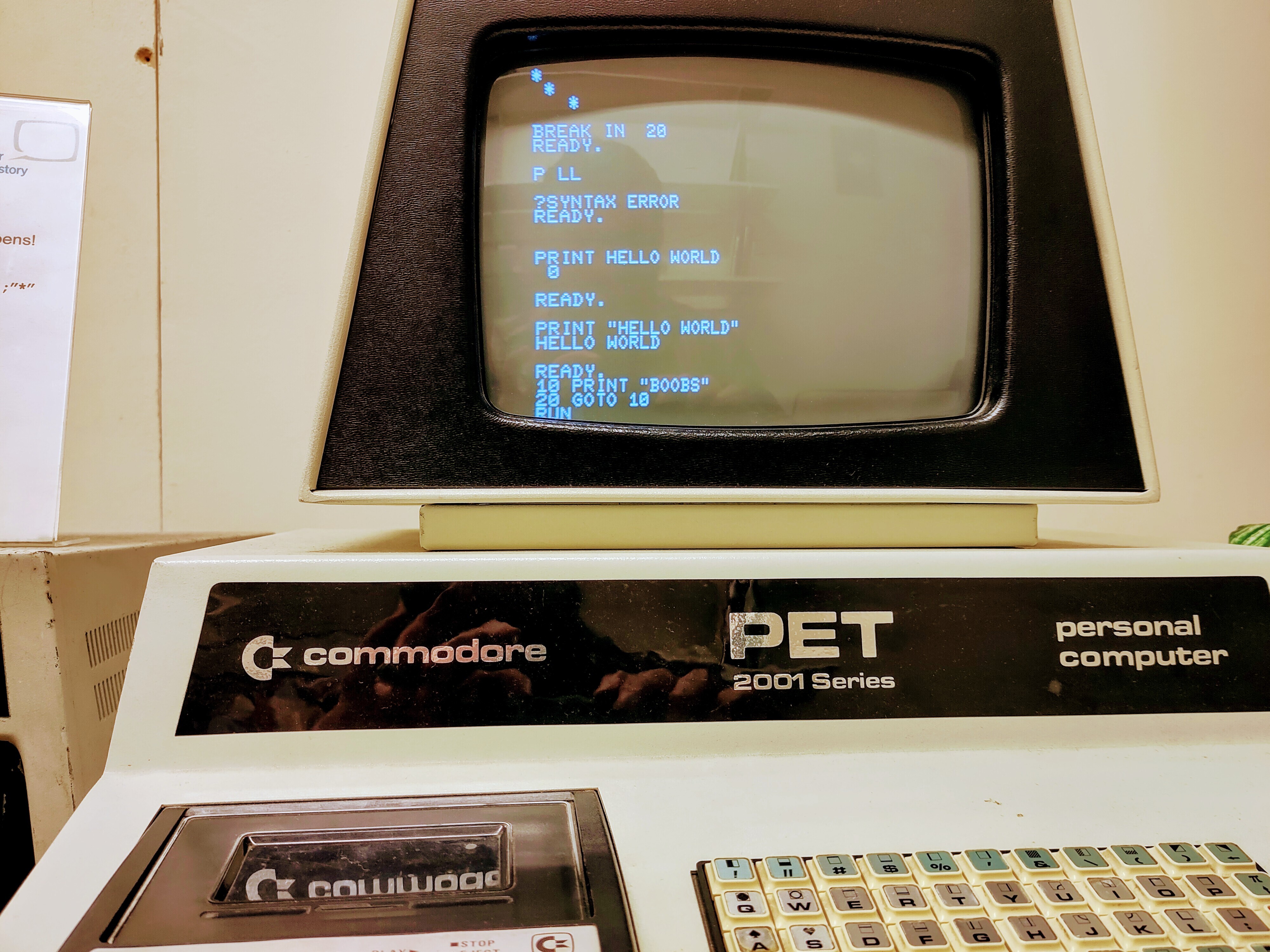

This incident will be reported.